

“It was brilliant moonlight, and the soft effect of the light over the sea and sky—merged together in one great, silent mystery—was beautiful beyond words. Between me and the moonlight flitted a great bat…”
— Bram Stoker, Dracula (1897)
As October draws to a close, the signs of Halloween are everywhere - carved pumpkins, flickering candles, and images of animals associated with the supernatural - cats, crows and of course, bats.
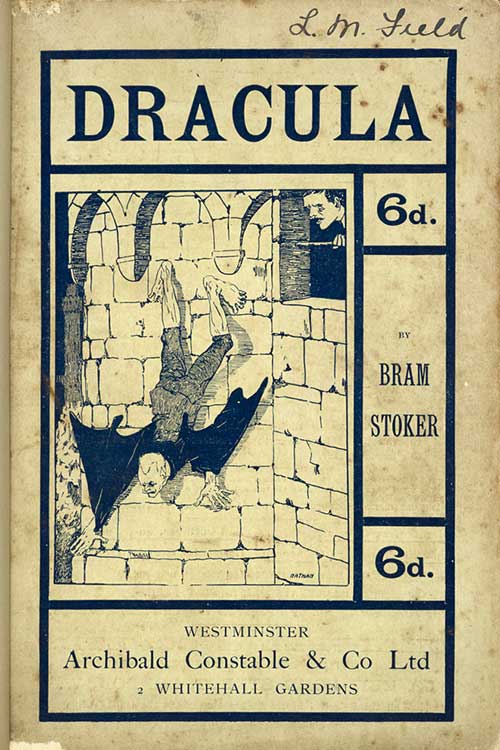
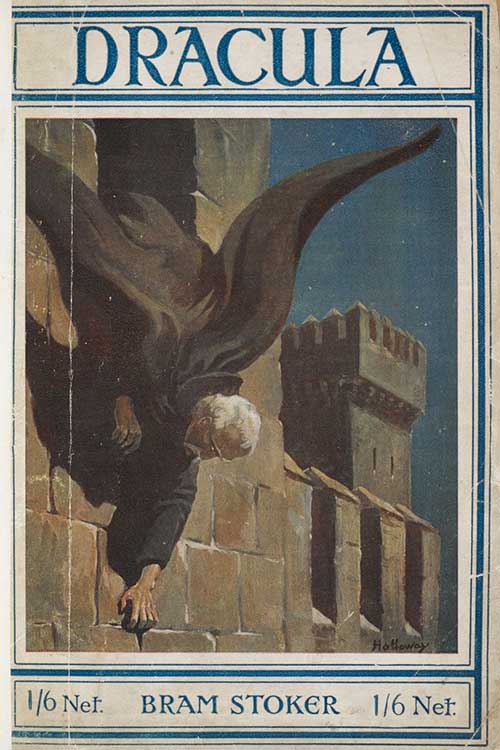
When it comes to popular culture, whether film or literature, there is no more famous connection to bats than that of Count Dracula. These images show how integral that connection was to the marketing of the story, the depiction of the vampire climbing down the stone wall of his castle, his cape the very image of bat wings, is iconic.
Bram Stoker wasn’t the first to cast bats as eerie or unsettling. Their secretive habits and twilight flights have long tied them to superstition. Hidden away under bridges, in old trees, church roofs or crumbling stonework, they’ve been portrayed across Europe as creatures of darkness; companions of witches or omens from the underworld. The illustration and poem below is from an 1882 edition of satirical magazine Fun, which also shows bats and their fellow night-time creatures in a very spooky, albeit humorous light.

Elsewhere in the world, bats have a very different reputation. In China, they’re symbols of good fortune. The Chinese word for bat (蝠 fú) sounds just like the word for blessing (福 fú) a coincidence that links them to happiness rather than fear.
Here in the North York Moors National Park, bats are a sign of something altogether more earthly, a thriving environment. At least ten species make their home here, each one helping tell the story of a balanced ecosystem. Fully in tune with the environment, bats use echolocation, they send out bursts of high-pitched sound and listen for the echoes that bounce off insects, trees, and the night air itself.
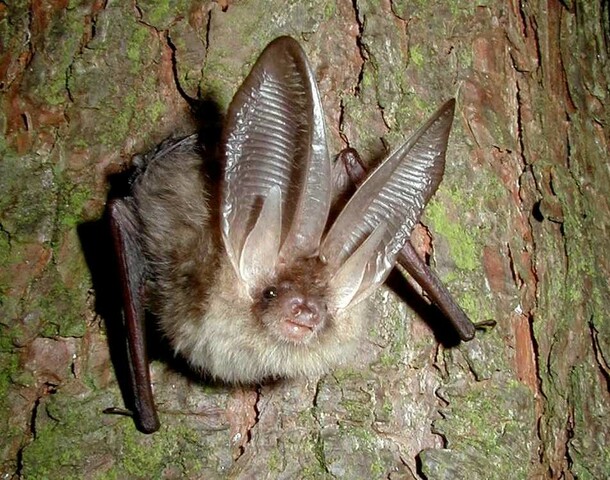
Every year, our team monitors local bat populations to see how they’re faring. Between 2020 and 2024, 58 volunteers helped record over a million verified bat calls across 176 different sites — an extraordinary record of activity.
Conservation Field Officer Toby Panter explained:
“The data tells us a huge amount about the distribution of bat species in our area and helps us plan future conservation projects such as tree planting, hedge laying and the creation of species-rich grassland sites and wetlands. These actions increase biodiversity and habitat connectivity, benefitting a huge range of wildlife and insects as well as bats, and ultimately human communities through building resilience to climate change.”
This year’s surveys are now complete, with results due in December. So, whether you’re heading out into the night for trick-or-treating or staying in with a classic horror film, spare a thought for the real nocturnal flyers above as they weave their way through the dark, quietly keeping nature in balance.